



There’s a phase in every successful journey that doesn’t look impressive from the outside.
No big wins. No grand celebrations. No dramatic life changes.
Just consistency. That’s the stage I’m in right now.
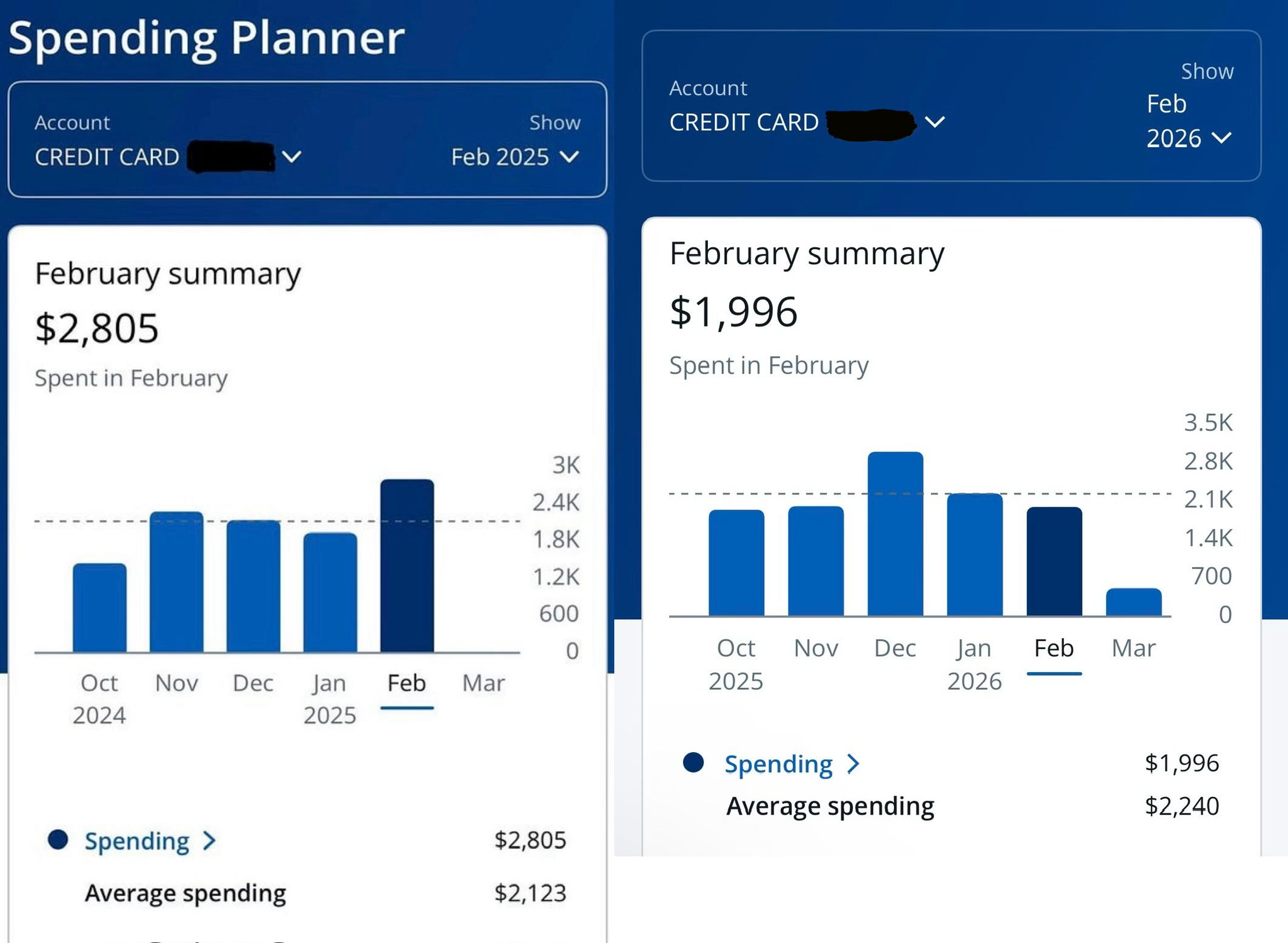
My February spending tells the story. Compared with February 2025, I spent $809 less this year. And when I looked closer at my credit card statement, more than half of my spending went to groceries and my tithe.
Spending doesn’t get much more mundane than that.
Right now my focus is simple: buying assets, staying disciplined and avoiding lifestyle creep. Even though my diligence has created a growing monthly surplus, I’ve resisted the urge to upgrade my lifestyle.
Living below my means remains the key to unlocking my long-term financial goals.
Spontaneity has taken a backseat to structure and routine. It hasn’t always felt comfortable. But I can already see the payoff — mentally, emotionally, physically and, of course, financially.
Still, I’m learning balance. I’m working to shake the scarcity mindset that shaped how I’ve viewed money for most of my life.
When you don’t come from money, two things can happen once you begin to acquire it: recklessness or fear.
I’ve gravitated toward fear.
Even in my 40s, I’m still learning how to properly treat myself. As the year goes on, I hope to get better at it.
But what happens when you have everything you want and no longer feel the urge to spend? What happens when living below your means transforms from a money hack into a way of life?
How do you break free from the rigidity that’s led to life-changing results?
This journey is still just getting started. And making money is only the first step. Keeping it is just as important — and I can’t keep anything if I’m careless with it.
So I’m cautious.
Maybe even a little fearful.
But it’s working.
Here are six lessons I’ve learned during this “boring” stage of building wealth.
There’s power in boring habits
I used to think financial progress required big moments. A raise. A lucky investment. Some breakthrough strategy.
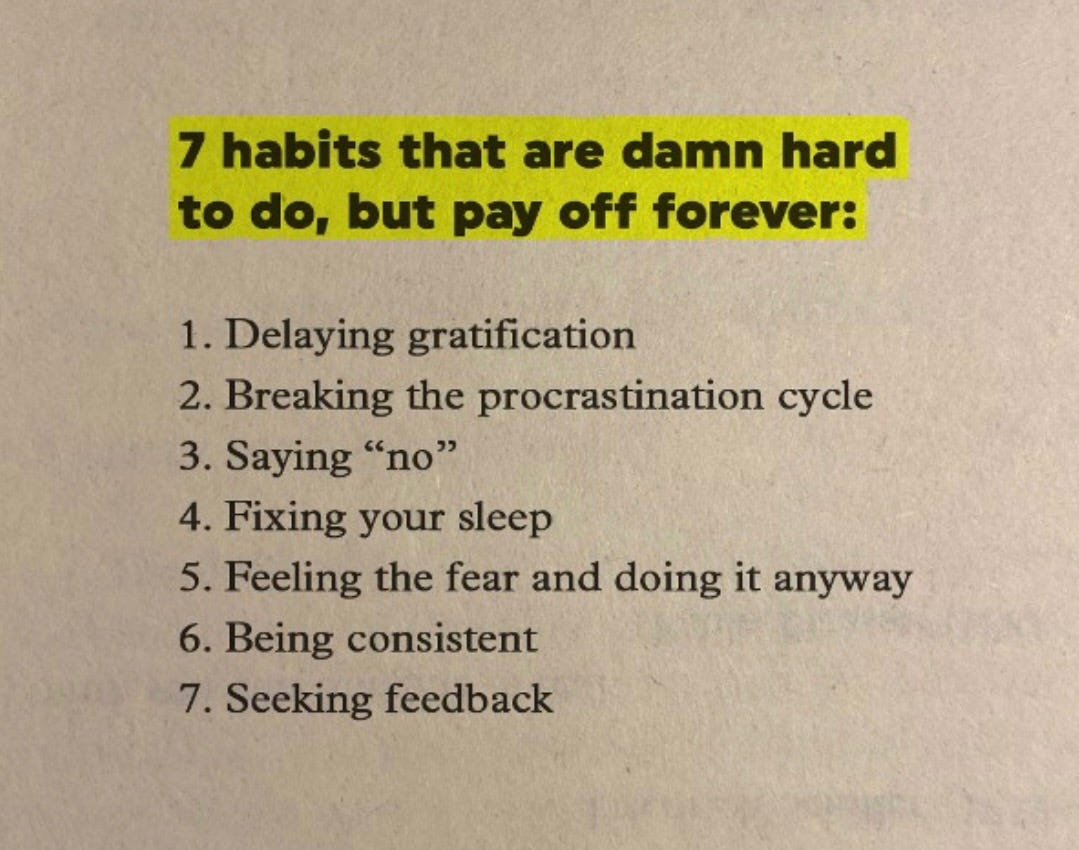
Instead, it comes from repetition — tracking my spending every month, investing regularly and resisting the urge to treat every dollar like it’s a reward.
Turns out the boring habits are the ones that actually move the needle.
Buying assets changes how you see money
Once I committed to buying assets, every dollar started talking to me. It asked me a simple question: Spend me or grow me?
That mental shift has made everyday spending decisions much clearer.
Lifestyle creep is always lurking
The funny thing about generating more income is how quickly your life tries to expand around it.
Better restaurants. Nicer clothes. More subscriptions.
So far I’ve managed to keep my lifestyle mostly where it was — and that discipline is the only reason the surplus exists today.
The scarcity mindset doesn’t disappear overnight
Even when the numbers improve, the old instincts don’t vanish.
When you’ve spent most of your life worrying about money, it’s hard to suddenly relax around it. Security takes time to feel real, and I’m navigating this reality on the fly.
Living below your means can become your default
At first, living below your means feels like a financial strategy.
Eventually it just becomes how you live. That can be a slippery slope if you’re not careful. Sometimes I have to force myself to remember that the goal of investing is to improve our quality of life — and actually do it.
Discipline needs a little joy
Structure and routine have transformed my finances, but I’m learning they can also squeeze the fun out of life.
That’s why I’m making a point to build experiences into the year — small trips, dinners and as many intentional moments that break the routine as possible.
I refuse to let the boring days turn into ho-hum weeks, and monotonous months stretch into forgettable years.
Our wealth shouldn’t just grow quietly in an account.
It should show up in our lives, too.


I’m deep in the wealth accumulation stage

Somewhere along the way, we crossed a line. I can’t quite say when, but we’re fully in the wealth accumulation stage.
It is a struggle to find the balance between always doing the responsible boring thing and never feeling the reward of all your hard work and diligence. You can't delay gratification forever. The key is to find joy and fun where it makes sense in your budget and doesn't derail your goals. It is also important to find joy and fun in things that don't cost a lot. Free community events. Your local library. Packing a picnic on a gorgeous spring day and visiting a public spot with flowers blooming. Spending time with friends.