


Editor’s note: This is Part 2 of a five-part series, “R-E-M-E-W,” built around five essentials I’ve come to believe are worth making part of everyday life. Each installment explores one of the practices I’m learning to prioritize as I figure out what it means to live well.
Part 1: Read | Part 2: Eat to live | Part 3: Meditate | Part 4: Exercise | Part 5: Write
My transformation with food didn’t happen overnight.
It’s been more than 15 years in the making.
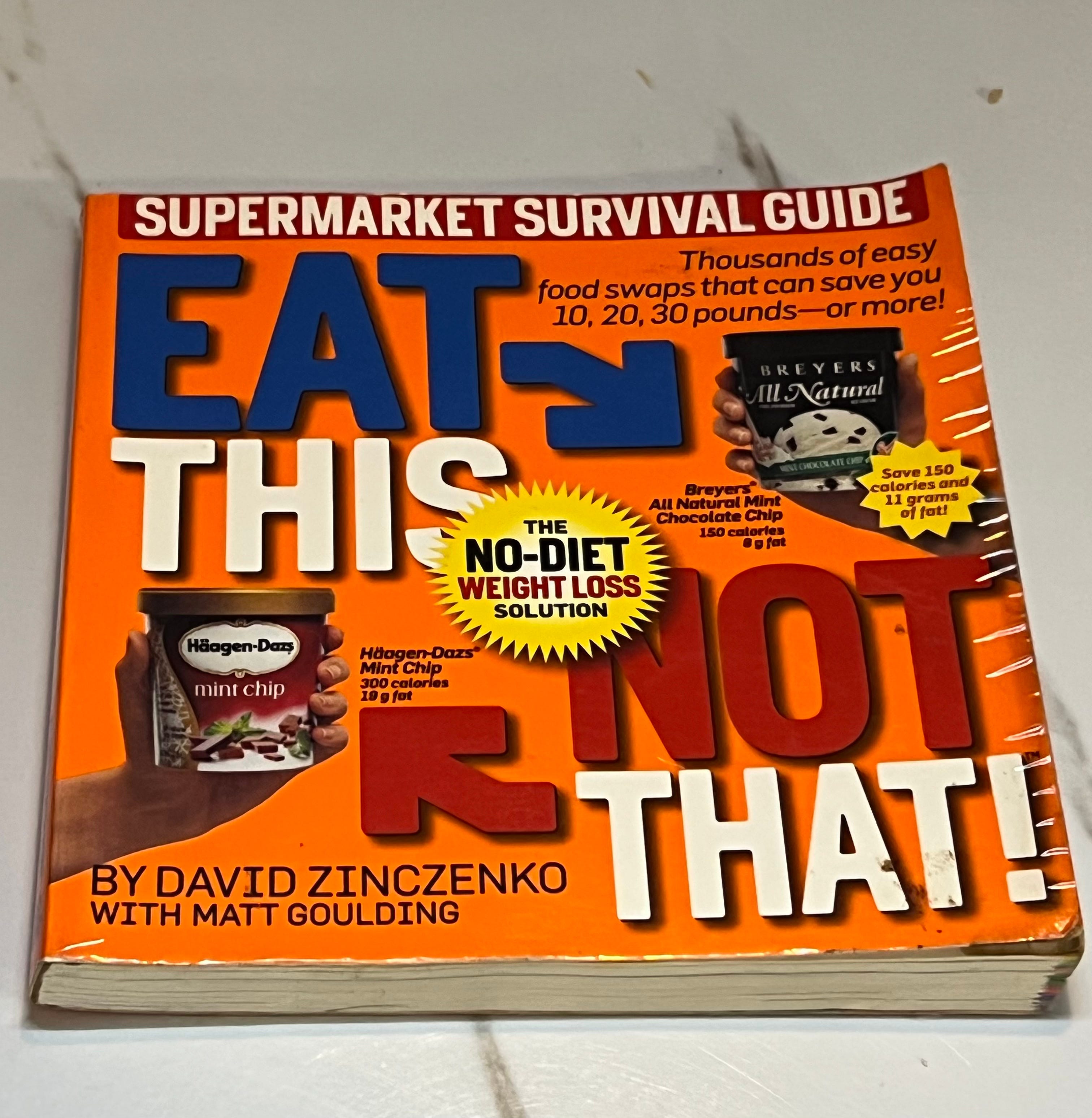
I stumbled across “Eat This Not That,” which bills itself as a “supermarket survival guide.” It did something much simpler for me. It showed me that many of the foods I was buying had better alternatives sitting right next to them.
That changed the way I looked at food. And once I started looking, I couldn’t really stop.
Before that, I wasn’t giving food nearly that much thought beyond taste.
There was a phase when I could visit multiple fast-food drive-thrus in the same day. Sometimes, back-to-back, within minutes of each other.
Donuts didn’t need an occasion. They’d get devoured anytime, anywhere. Double-stuffed Oreos were definitely in my top five, especially dipped in a glass of cold milk.
And pizza remains my biggest guilty pleasure.
I knew most of it wasn’t healthy. What I didn’t realize was how much of my eating was happening without much thought at all.
I wasn’t always eating because I was hungry. Sometimes I was bored. Sometimes stressed. Sometimes something simply looked good.
Most times, convenience won.
That was the part I needed to confront. I had to start paying attention not just to what I was eating, but why I was eating it.
Change happened slowly. So gradually that I didn’t really notice it happening.
One better choice led to another, then another. I’ve never done a dramatic diet. Never sworn off fast food. I simply started becoming more conscious of what I was putting into my body and how those choices made me feel.
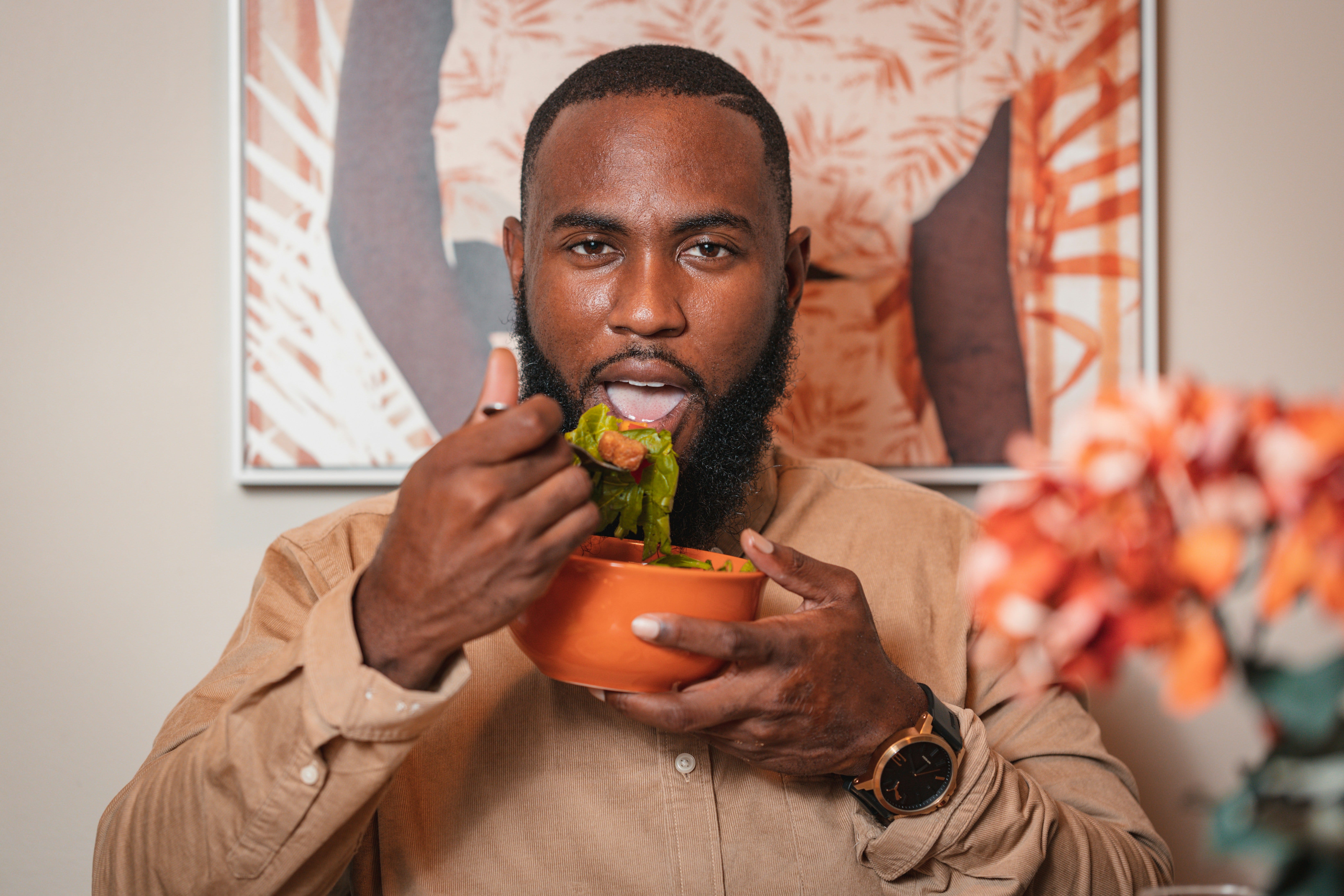
These days, my meals look a lot different.
Fresh-fruit smoothies, oatmeal and eggs have become regular breakfast staples. I reach for salmon, baked or grilled chicken and tuna fish more often than fried chicken and red meat. And vegetables? Lots and lots of vegetables.
The foods I once reached for without thinking have largely been replaced by foods that leave me feeling better afterward.
Eating better eventually made me pay more attention to what I was drinking, too. I’ve become more intentional about alcohol because I notice the difference when I drink less. My sleep is better, and I have more energy.
At some point, feeling my best became more important to me than having another drink.
I’ve also learned that boredom can feel a lot like hunger. When I catch myself looking for something to eat simply because I’m bored, I’ll reach for water instead.
Sometimes I don’t need food.
Sometimes I need to hydrate.
Sometimes I just need to break the habit of automatically reaching for something.
The physical difference has become hard to ignore. I feel lighter when I don’t scarf down a bunch of meat. My body feels stronger. I have more energy.
My wallet has noticed the difference, too.
Dining out became a huge money pit. A meal here, a quick stop there, something on the way home because I didn’t feel like cooking. Each decision seemed harmless, but the total wasn’t.
Eating better has helped me spend better, too.
I still have cravings. I still love pizza — I’m not giving that up anytime soon.
I’m not trying to analyze every meal, and I’m certainly not interested in eliminating every indulgence. I just don’t want food to run the show anymore.
I’m eating to live now instead of living to eat.
More than 15 years after an unsuspecting book changed the way I looked at the grocery shelf, I’m still figuring it out.
But I’ve learned that eating well doesn’t have to mean eating perfectly. For me, it means making choices that give me more of what I want from life: energy, strength and the ability to feel good in my own body.


Choosing to "Eat to Live" in place of "Living to Eat" has always struck me
as such a powerful statement!