


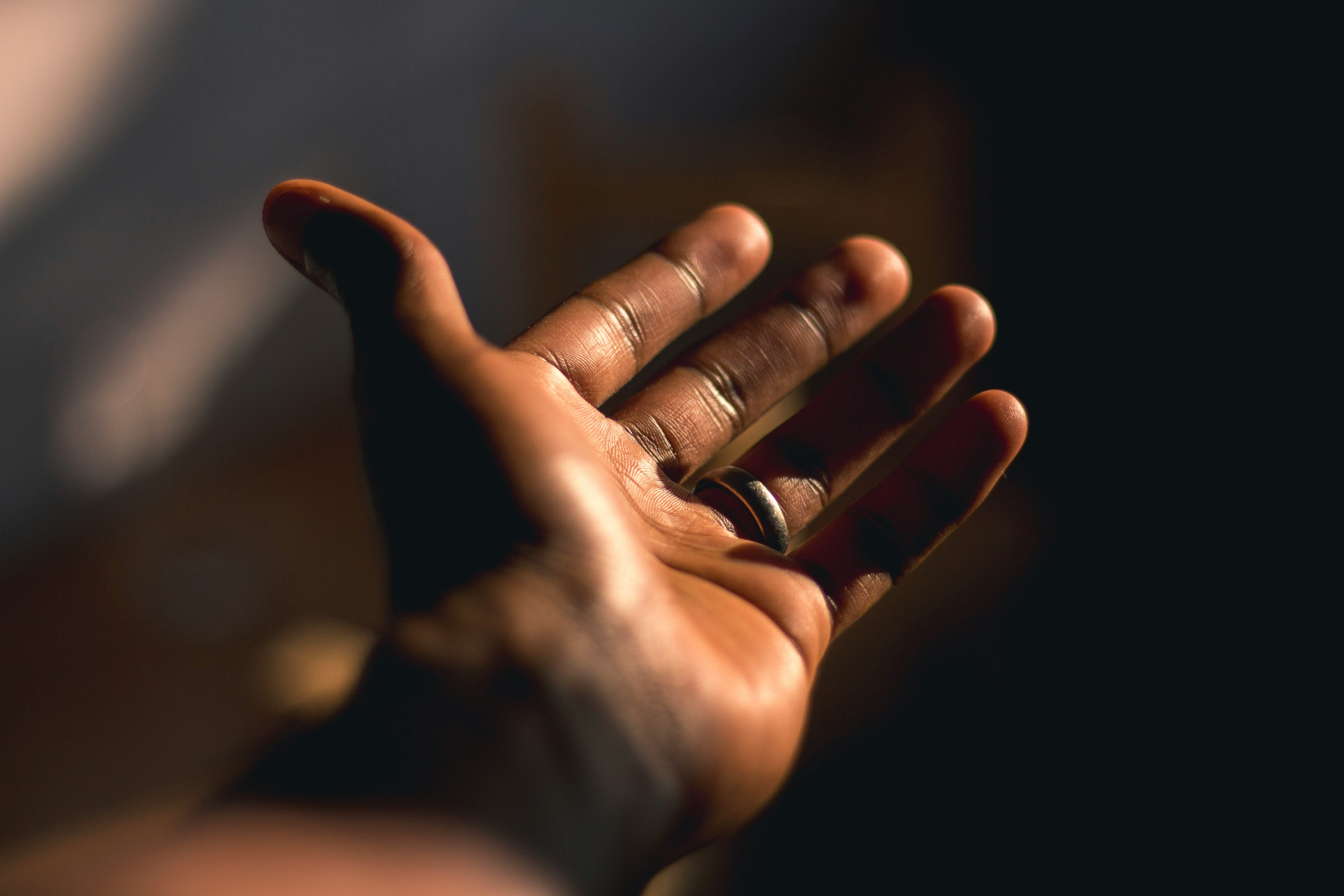
I grew up believing generosity had a clear address.
You went to church. You gave your tithe. You trusted the system.
It was clean and comforting and required little imagination. I didn’t have to decide exactly where my money landed. I never had to ask hard questions about who felt its impact.
I just gave.
Ten percent went out each month, and I trusted it did good in the world.
That approach carried me for a long time. I gave automatically and rarely thought beyond the act itself. Life’s complexities made that simplicity a relief.
But somewhere along the way, it stopped feeling active. Easy giving began to feel distant rather than connected.
I rarely even attend church, yet my tithe still made it there each month.
The church taught me generosity as obedience, and I am grateful for that foundation. Now I want generosity to go deeper. I want to feel the weight and responsibility it carries.
Giving is not meant to be mindless. I’m challenging myself to slow down and choose.
The city around me demands it. Chicago hums with need and is home to countless people doing holy work without calling it that.
I walk past shelters, food pantries and youth centers. I read headlines about schools, housing and safety, and I feel the gap between my giving and my knowledge.
That’s why it’s time I diversify.
This shift is not a rejection of where I came from. It’s an expansion.
I’m learning the names of local organizations, studying their missions and working to understand how my dollars can turn into meals, tutoring hours, legal help — and dignity.
God’s kingdom has always stretched beyond church walls, even when my habits did not.
My first real step came last year after a gift to the City Mission of Cleveland. Inspired by that experience, I wanted to bring the same intentionality home.
Less than 15 minutes from our front door sits a similar neighborhood mission open to anyone who needs food, shelter, community, hope and healing.
The mission houses up to 1,000 men, women and children. I earmarked my gift specifically for the pantry so their shelves stayed stocked. It felt good to know exactly what the dollars were doing, to see generosity translated into tangible impact.
I also realized this was only one step. There are countless grassroots organizations across Chicago operating on far less.
I’m restructuring how I give with two priorities: local proximity and intentional choice. I want my dollars to go where the need is real and where the people doing the work are often overlooked.
I want to understand the mission and how my money makes an impact. I want my tithe to require attention and care, not just a monthly transaction.
This keeps me purposeful. It keeps me attentive. It keeps me connected to my city instead of distant from it.
It reminds me that generosity is not something you schedule and forget. Giving intentionally invites me into relationship instead of detachment.
That perspective enriches me in ways automatic giving never did.
If Parker ever asks what generosity looks like, I want to say it is intentional.
It’s knowing where your dollars go, choosing to give in places where your presence matters and thinking beyond the basics of checking a box.
I’ve learned that generosity is not one size fits all. It’s deliberate, active and alive. That shift has changed not just where I give, but how I give.
My giving only runs as deep as the thought I put into it.


Give, and it will be given to you

I’m suddenly questioning my gift-giving abilities, and I can’t help but blame my daughter Parker.
Hi Darnell, I hope all is well. I enjoyed reading this and appreciated your perspective. Thank you for sharing.